Chemical Engineering and Biotechnology
Chemical engineers design and operate industrial processes that convert raw materials into valuable products. The need for more sophisticated products and sustainable processes means chemical engineers are in great demand.
At a glance
A Level requirements: A*A*A
IB requirements: 41-42 points overall with 7, 7, 6 at Higher Level
Subject requirements: Maths, Chemistry, and a third maths/science subject from Biology, Physics, or Further Maths
Average students per year: 3
Admissions assessment: Engineering and Science Admissions Test (ESAT)
Written work: None
Admissions
Course overview
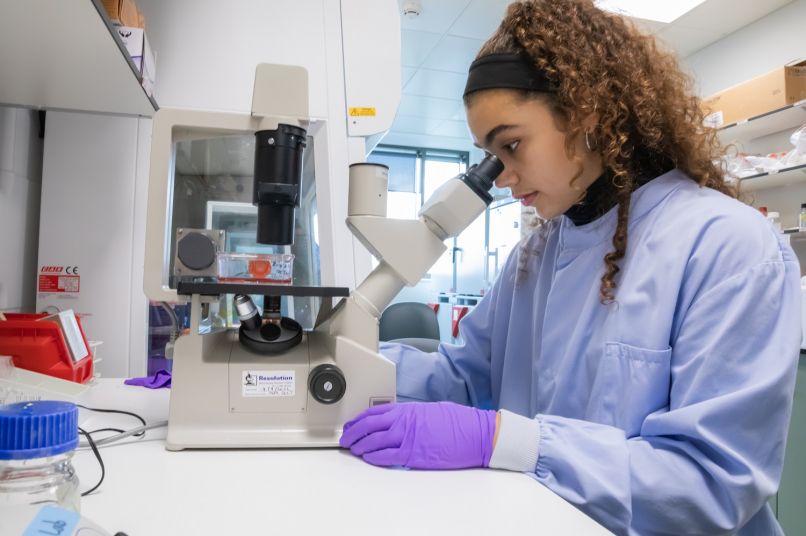
The BA/MEng in Chemical Engineering and Biotechnology will teach you the scientific principles that underpin chemical engineering and biotechnology, and their application to real-world systems. The course deliberately aims to integrate chemical engineering and biotechnology together, rather than these being viewed as separate topics.
For more information about the course and its modules, visit the University website.
Admissions assessment
Candidates for Chemical Engineering and Biotechnology must take the ESAT, which is a pre-registration required test. They will take Mathematics 1 and can then choose two additional multiple choice modules from Biology, Physics, Chemistry, and Mathematics 2. For more information about the test, please see the University website.
Candidates' results from the admissions assessment will form part of the assessment process for deciding whether they are invited to interview.
What we look for in an applicant
We look for a very good grasp of A Level materials, the ability to think independently, the ability to tackle quantitative and analytical problems, and enthusiasm for the subject.
A top tip for applicants
You will be expected to manipulate equations and make estimates during the interview. Make sure you are prepared to discuss and perform calculations on any topics you express an interest in on your application form.
Find out more
You can find out more about Chemical Engineering and Biotechnology by visiting the University website and the Department of Chemical Engineering and Biotechnology website.
King’s also runs Open Days and residentials where you can get a taste of life as a King's student.
Life as a King's Chemical Engineering and Biotechnology student
Students will receive a mix of lectures and practicals in the department, with supervisions provided by College. Lectures happen every weekday in term time with practicals and supervisions several times a week.
There are around 60 students per year across the university, and around three students per year at King’s.
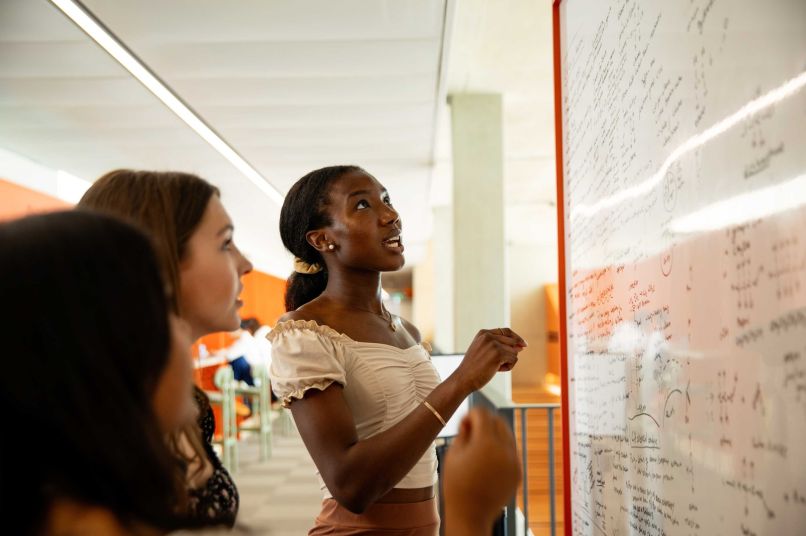
In a typical supervision students can expect focused discussion centred on specific exercises, as well as further exploration of lecture contents. Supervisions last one hour, and students typically have several of these per week. Students will be expected to prepare for supervisions by completing problems of relevance to the lecture course.
Studying Chemical Engineering and Biotechnology at King's has been an amazing experience so far. Although we're a small cohort, you can tell we are valued both within the college and wider community, with access to a vast number of resources, support and expertise offered by the supervisors and directors of studies here at King's, which makes it easy to continue with an enthusiasm for the subject.
- Sophie, 1st year
Studying Chemical Engineering and Biotechnology at King's has been truly memorable! We're a really close-knit group, so you get to make some amazing friends. We're a really social group of people, supporting each other with work and always celebrating with formal dinners at the end of a big project! If you choose to study CEBT, I'm sure you'll have a great time!
- Amogh, 3rd year
Careers and graduate opportunities
There are many opportunities for Chemical Engineering and Biotechnology graduates. As products become more sophisticated and the demand for sustainable process becomes greater, the demand has increased for chemical engineers. Some graduates proceed to further postgraduate study, while others enter employment as engineers in the process industries, research scientists, and technical managers. Outside of engineering, the course will prepare you with transferable skills that some graduates have applied to areas like finance and management consultancy.