Theology, Religion, and Philosophy of Religion
This fascinating course enables you to combine the study of world religions with philosophy, ethics, history, literature, languages, sociology and classics. It explores contemporary and historic thought, culture, and texts.
At a glance
A Level requirements: A*AA
IB requirements: 41-42 points overall with 7, 7, 6 at Higher Level
Subject requirements: While none are required, many applicants to this course study one or more of Religious Studies, English (language or literature), History, and/or a language
Average students per year: 2
Admissions assessment: None
Written work: 2 pieces
Admissions
Course overview
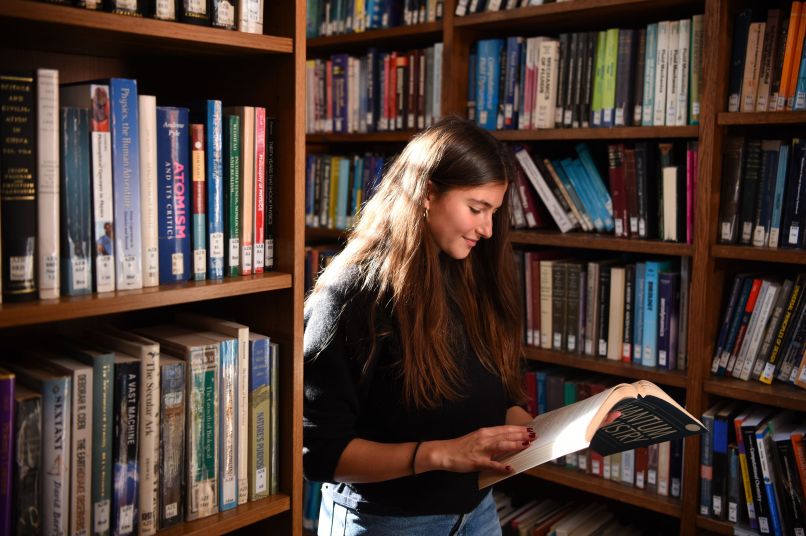
The Cambridge Theology, Religion, and Philosophy of Religion (TRPR) course is exceptionally open in the options it makes available to undergraduates. It enables you to either mix up subjects as you go or to carve out a specialist area of interest over the three years. Some students choose to focus on Ethics and Philosophy of Religion, others on World Religions, and some home in on Christian Theology or Biblical Studies.
The first year (Part I) is designed to introduce you to the basic concepts and skills needed for the study of TRPR. There are two compulsory elements which are (a) the study of a scriptural language (Hebrew, New Testament Greek, Qur’anic Arabic or Sanskrit), and (b) the study of Hebrew Scriptures (Old Testament) or the New Testament. The other three papers in Part I can be chosen from the five options available, covering the other subject areas studied in the Faculty (Doctrine, Philosophy of Religion, Church History, World Religions, and the Study of Religion).
In the second year (Part IIA), you study four papers out of a choice of sixteen. The wide variety of subjects available allows you to develop a course suited to your own interests within the discipline. The final year (Part IIB) also involves studying four papers from a wide range of options, including specialist and interdisciplinary papers. You can also choose to write a dissertation in the final year instead of one paper.
Theology, Religion and Philosophy of Religion at Cambridge allows you to delve deeply into different religious traditions, to explore the connections between them, and to understand their relationship with the larger societies of which they are a part. The flexibility of the degree structure allows you to choose the particular subjects and themes that you want to pursue. Some students choose to follow a pathway that matches their interests for one or more years. Pathways are informal programmes of study; you do not have to officially declare your choice, and you are not bound to follow it every year. Possible pathways include Islamic Studies, Jewish Studies, Religious Traditions of India, Biblical Studies, Christian Theology, Christian History, and Philosophy of Religion.
For more information about the course and its modules, visit the University website.
Written work
If you are taking a qualification relevant to TRPR, consider submitting work from that. Otherwise, submit any essay that you feel represents your abilities well, and which you find interesting. Be prepared to discuss themes relating to your written submission at interview.
Interviews
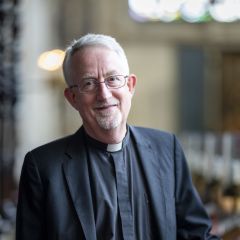
The interview for TRPR takes the form of an extended conversation between the candidate, the Director of Studies in theology, and a second interviewer, usually a fellow in one of the other humanities. Before it, the candidate will have been given a number of pages from a book or article to read. That reading will come with a few pointers about how to approach it and what sort of questions might arise. In the interview, after introductions, your first question will be ‘what did you find interesting about what you read?’ and we will then take it from there.
The purpose of the interview is for us to see you at your best and to get some sense of how you will respond to the opportunities and challenges of the Tripos. Questions will therefore reflect the various sub-disciplines within theology, whether scriptural studies, comparative religion, philosophy, social sciences, or history (the list is quite long). Some will be pre-prepared. Some will pick up on aspects of your application documents. Some will emerge naturally from the conversation. And you yourself might want to ask questions of your interviewers. The purpose is not to find out what you know; after all, you don’t have to have studied RS or Theology to be offered a place, and no candidate will know their way around all the sub-disciplines of theology – even after they have graduated! The purpose is to get a sense of how you engage with the intellectual world of Theology, Religion, and Philosophy of Religion.
The principle is that if you enjoy the interview, you will enjoy theology and the way it is taught here. Think of it not as a test, but as a live event to which you are invited to enjoy.
What we look for in an applicant
Strong applicants will demonstrate an enthusiasm for the subject and a curiosity about religious ideas and their impact on individuals and society. They need to be able to think critically and show an aptitude for independent thinking, as well as a willingness to explore ideas with others.
A top tip for applicants
Be open to conversation and let your interest shine through.
Find out more
You can find out more about TRPR by visiting the University website and the Faculty of Divinity website.
King’s also runs Open Days where you can get a taste of what studying here is like. You might also be interested in the Small Subjects Residential, which offers students in UK state schools in Y12/S5/Y13 NI the chance to use interdisciplinary approaches to tackle the world's big questions.
Life as a King's TRPR student
King’s usually has one or two TRPR students each year. The hallmark of Cambridge teaching is the supervision - a weekly one-to-one or one-to-two meeting with an expert in your field. You will usually have one or two hour-long supervisions per week during term (usually based on essays you have submitted in advance). Teaching in this way is personalised, highly rigorous, and allows you to hone your ideas and your academic skills in a hands-on, open and conversational environment. Alongside supervisions, you will have weekly lectures and/or seminars in your chosen courses. In the first year, you will have classes three times a week in your chosen language, and will need to do daily practice.
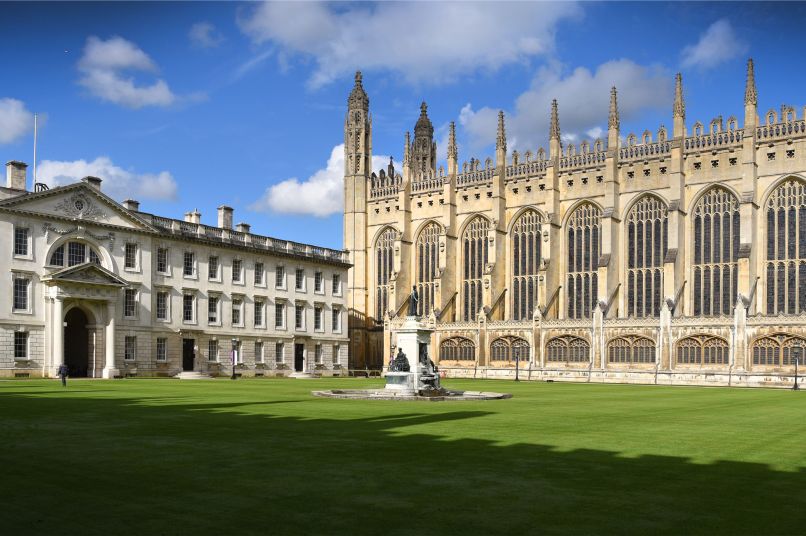
Theology is at the heart of the College here at King’s. From weekly opportunities to do readings at our services, to frequent seminars on sociopolitical discourse in the Middle East, to “HeartSpace” (in which the chapel is opened for an evening of mindfulness and appreciation of its architecture), our students truly feel their value within the King’s Community! My year's cohort is on the smaller side - there are two of us - and we are inseparable. We have truly enjoyed exploring all the wonderful opportunities King’s has had to offer this year and have relished the opportunity to bring other Theologians from different colleges to see our lovely Chapel.
- Lucy-Mai, 1st year
Careers and graduate opportunities
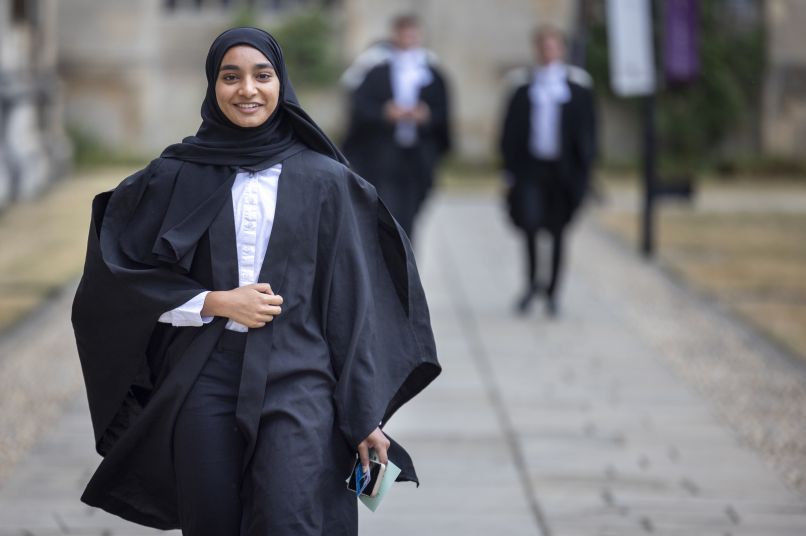
The Cambridge TRPR course is wide-ranging, allowing you to develop a range of transferable skills, ranging from the linguistic and historical to the conceptual and analytical. Recent King’s graduates in the subject have gone into business, law, journalism, the Civil Service, music, charity administration, publishing, and teaching in both schools and universities.