A Khurasani Sufi ṭāʾifa faces the Mongol conquest: female leadership, land ownership patterns, and nomad- sedentary interactions - Dr Marc Czarnuszewicz (Cambridge)
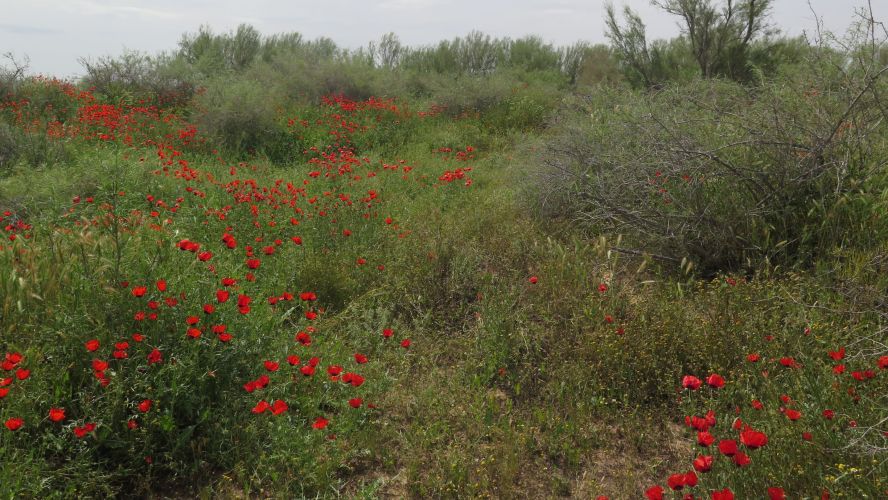
The Maqāmāt-i Shaykh Ḥāṭimī is a unique and little studied Persian text extant only in manuscripts in Istanbul and Rampur. It describes both the life and deeds of its subject, a Sufi Sheikh based in Khurasan in the early 13th century, and the difficulties faced by his followers when the death of their leader coincided with the Mongol Conquest. Touching on themes varying from property inheritance to female leadership and from symbiosis with Turkish groups to Alid marriage alliances, this presentation will ask what Sufi hagiographic sources can tell us about how rural areas navigated and remembered the Mongol crisis.
Dr Marc Czarnuszewicz is and Issac Newton Trust Research Fellow at Clare Hall, affiliated to the Faculty of Asian and Middle Eastern Studies. He was awarded a BA in Oriental Studies (Persian and Arabic) at the University of Oxford in 2018. Subsequently, he obtained an MLitt in Medieval Middle Eastern History from the University of St Andrews in 2019, going on to complete his doctorate there in 2024. He was a PhD fellow at the Anamed Institute at Koç University in Istanbul in 2022-3. His research centres around the history of the Eastern Islamic world in the 10th to 13th centuries, encompassing the Saffarid, Buyid, Ghaznavid, Great Seljuq and Khwarazmshahi dynasties. Working across diverse textual genres, he employs manuscript material in Arabic, Persian, and several Turkic languages. At Clare Hall, he aims to produce the first comprehensive study of textual production patterns under the Khwarazmshahi Empire, a vast yet under-researched polity known largely for its dramatic destruction by the armies of Genghis Khan.
Related Events