Falling Back to Earth: The Production of Sovereign Space at the Baikonur Cosmodrome
Falling Back to Earth: The Production of Sovereign Space at the Baikonur Cosmodrome
Speaker: Makar Tereshin (University of East Anglia)
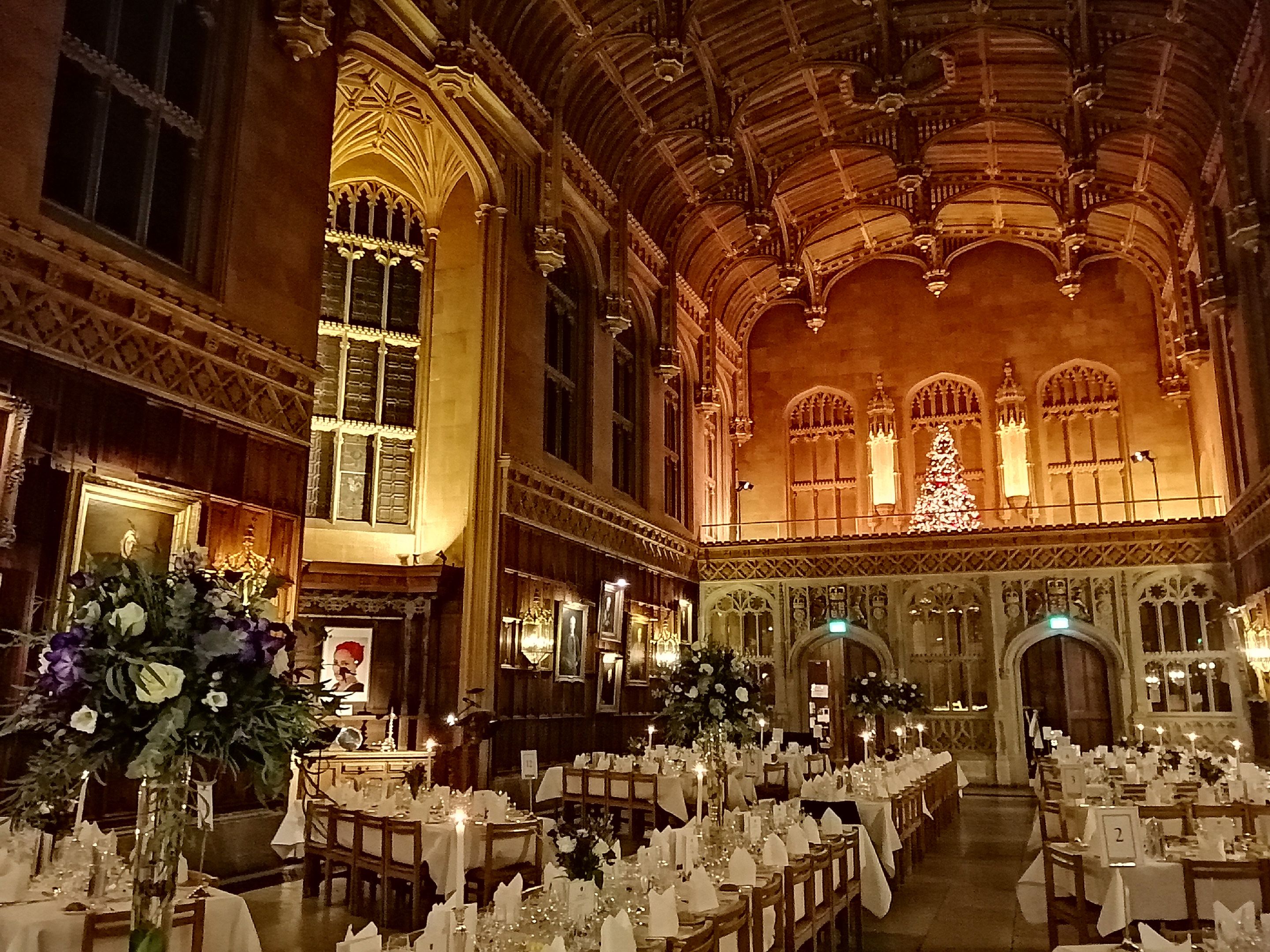
Place: Keynes Hall
Time: Friday, 13 November, 2-3 pm
Abstract:
In the Soviet era, Baikonur Cosmodrome carried profound symbolic significance as a key stage for showcasing the technological and ideological prowess of the state. Fusing science, ideology, and imagination, the main national gateway to space functioned as a site of collective projection, where narratives of emancipation and transcendence were sustained by the belief that scientific and ideological advancement could bring about a new social order.
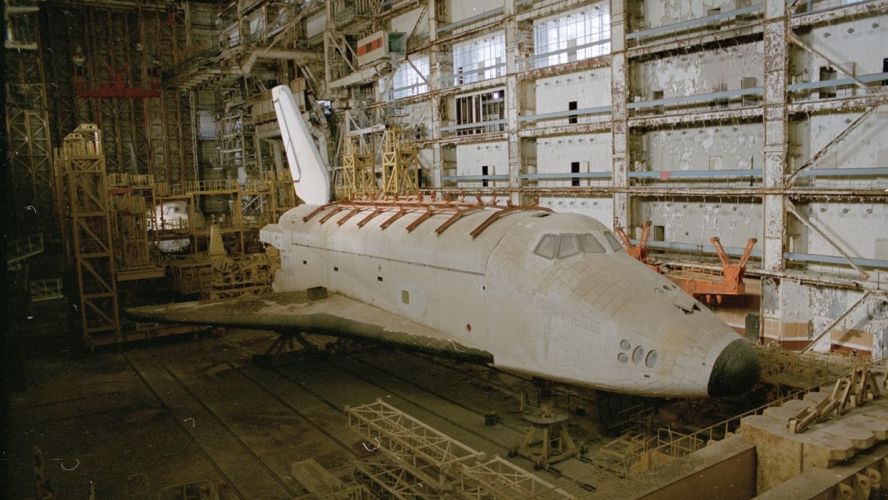
Today, many of those original visions of socialist modernity have been overtaken by more immediate concerns. Baikonur no longer speaks to the future in the way it once did. Since 1994, when Russia leased the mighty technological complex from Kazakhstan, it has been transformed through acts of selective preservation and strategic abandonment. Fenced-off from the rest of the Republic and insulated from the privatisation and redevelopment that reshaped much of post-socialist urban space in Kazakhstan, Baikonur has aged in place.
This talk will draw attention to the political imaginaries and sovereign regimes that emerge in and around the Baikonur complex, where outer space’s frontiers remain tethered to terrestrial geopolitical borders. It will also trace how Baikonur’s residents inhabit its shifting political and spatiotemporal regimes, moving from the heroic momentum of socialist modernisation and cosmic ambition to a present marked by the sense of uncertainty and gradual decline.
Bio:
Dr Makar Tereshin is a social and visual anthropologist exploring the politics and ecology of the Russian space industry in Russia and Kazakhstan. He holds a PhD in Social Anthropology from University College London. Currently, he is a Postdoctoral Research Fellow at the University of East Anglia, where he is part of the ERC-funded project Socialist Anthropocene in Visual Arts.
Related Events