Evolution of Ceramic Production Standards in Eastern Kazakhstan: From the Early to Late Bronze Age- Didar Shaimukhanova (Al-Farabi Kazakh National University, Almaty)
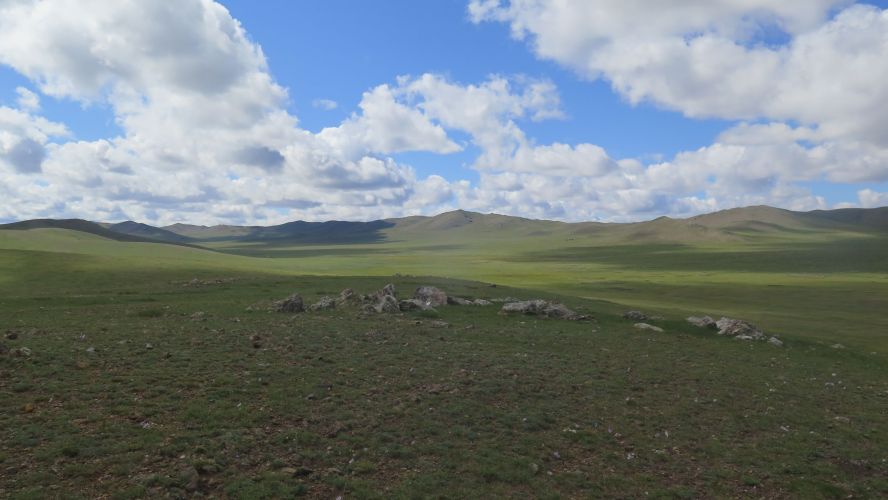
Eastern Kazakhstan is a region with a centuries-old history and a unique cultural heritage, known for world-class archaeological discoveries such as the «Golden Man» of the Saka era. However, the foundations of this cultural flourishing were laid during the Bronze Age (c. III – early I millennia BCE), when the region emerged as an important hub for specialised crafts, from metals to ceramics. In this presentation, I will explore the development of ceramic production across three stages of the Bronze Age (Early, Middle, and Late). I will focus specifically on examining the evolution of vessel morphology and decoration styles, a combination of which has proven to be useful proxies to understand how ceramic production was organised and how associated exchange networks transformed through time.
Through the ceramic lens, I will further interrogate the development of the «classical» Bronze Age in relation to the Andronovo culture – a major complex of closely related archaeological groups in the Eurasian steppe known for advanced pastoralism and metallurgy. This stage demonstrates the peak of the local groups' pottery skills, characterized by refined shaping techniques and complex geometric decor. A comparative analysis of artifacts from both settlements and burial grounds reveals specialised standards of production and the intricate symbolic nature of the decorations. Investigating these processes within the framework of Steppe archaeology will allow me to reconstruct the technological progress and the social structure of the local communities that inhabited Eastern Kazakhstan thousands of years ago.
Didar Shaimukhanova is a researcher at Al-Farabi Kazakh National University, Almaty, specializing in the Bronze Age archaeology of Kazakhstan with a focus on ceramic technology, craft specialization, and social structures in Eastern Kazakhstan.
Related Events