
King’s PhD student co-authors landmark study on genetic drivers of autoimmune disease
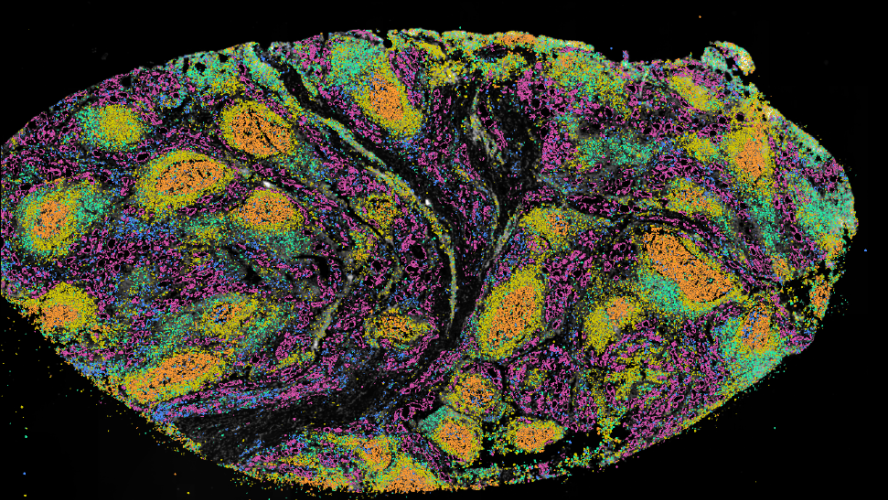
New research co-authored by Pantelis Nicola, who recently completed his PhD, has identified that DNA mutations acquired throughout life may be the ‘missing piece’ in the autoimmune disease puzzle.
The study, reported today in Nature, suggests that autoimmune diseases may be driven by somatic mutations—genetic changes that occur in our cells over time rather than being inherited. These mutations essentially remove the natural "brakes" on the immune system, revealing a previously hidden role for genetic evolution in diseases beyond cancer.
The research was a collaborative effort involving the Wellcome Sanger Institute, Cambridge University Hospitals NHS Foundation Trust (CUH), and the University of Cambridge. Pantelis (co-first author) worked alongside Andrew Lawson (co-first author), senior author Iñigo Martincorena (Queens’ College) and clinical collaborators including John Tadross (Girton College) and Nadia Schoenmakers (CUH, now University of Birmingham).
Autoimmune diseases, such as rheumatoid arthritis, lupus, and type 1 diabetes, affect between five and ten per cent of the global population. For decades, the medical community has treated these conditions by broadly suppressing the immune system, often resulting in significant side effects and leaving patients vulnerable to other illnesses.
Pantelis explains the significance of moving toward a more targeted approach:
"Autoimmune diseases are currently treated by broadly suppressing the immune system, which can leave patients vulnerable to infections as well as a long list of other complications. If these findings are confirmed, they could eventually enable more precise diagnoses and treatments leading to better patient outcomes.”
Since the 1950s, some scientists have speculated that mutations in lymphocytes (white blood cells) might allow the immune system to bypass its own safeguards. However, because autoimmune diseases involve complex groups of cells acting together—rather than a single tumour—identifying these mutations has been technically elusive.
Using a new, ultra-high accuracy sequencing method called NanoSeq, the team investigated patients with Hashimoto’s and Graves’ diseases. They discovered that many B cells had developed inactivating mutations in key genes that normally regulate the immune response. Importantly, artificial inactivation of these genes, in experimental studies or during cancer immunotherapy, is known to cause thyroid autoimmunity. The researchers have now found frequent mutations in these genes naturally occurring in autoimmune patients.
The study revealed that some immune cell clones had acquired as many as six "driver" mutations over several years, silently building up changes in DNA long before symptoms appeared. This observation is unexpected outside of cancer research and provides a potential path toward precision medicine for autoimmune patients.
While further research is required to confirm if these mutations are the root cause or an exacerbating factor, the work marks the beginning of a new phase in understanding how our immune systems evolve—and sometimes fail—over time.