Mapping a Mughal Canal: A study of Shah Nahr and Shahjahanabad (1639-1857)- Iqtedar Alam (University of Cambridge)
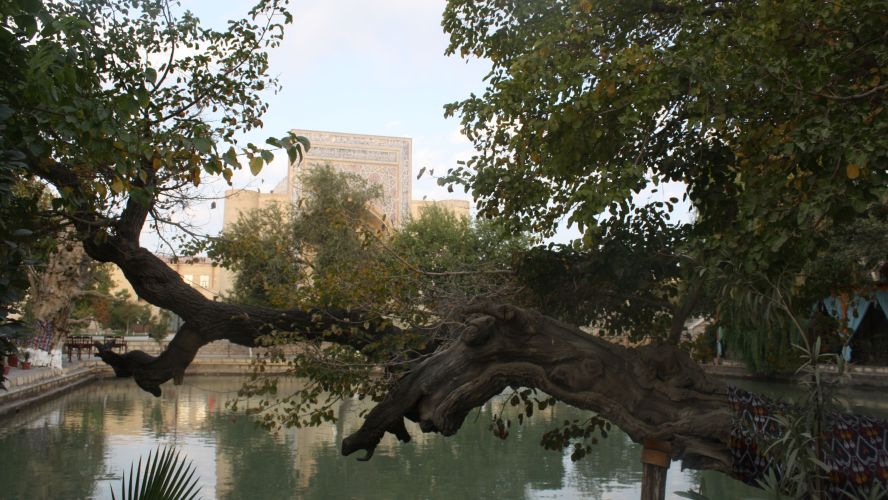
This talk will explore the 17th-century walled city of Shahjahanabad (1639–1857), the last capital of the Mughal Empire, through the lens of one of its most significant infrastructural achievements - the Shah Nahr, or Royal Canal. Commissioned by Emperor Shah Jahan, the canal was constructed alongside the Delhi Fort and became central to the city’s design and functioning. The development of Shahjahanabad, its surrounding garden suburbs, and the agricultural hinterlands was closely shaped by the alignment of the canal and the region’s natural topography. Drawing on recent fieldwork, detailed cartographic study, and research conducted during the speaker’s doctoral work, this talk will examine the canal as both an engineering feat and a lens into how the Mughals understood and transformed the land and its associated water features into a composite functioning hydraulic system.
Dr Iqtedar Alam is a Smuts Research Fellow in Commonwealth Studies at the Centre of South Asian Studies in Cambridge. Trained in architecture and landscape archaeology, he examines the layered histories of South Asian landscapes with a particular interest in the water urbanism of the early modern and colonial periods. His doctoral research in archaeology at the University of Cambridge (2021-2025) investigated the hydraulic systems of Mughal Delhi, situating the city’s urban and spatial practices within the broader Persianate world.
Related Events